“Ozempic face” occurs when rapid, medication-induced weight loss leaves behind loose skin and a gaunt facial appearance. Today, however, many patients taking semaglutide injections are also facing hair loss and shedding as side effects of their weight loss journey. According to a recent NIH (National Library of Medicine) publication, the FDA Adverse Event Reporting System has registered a significant rise in alopecia complaints from semaglutide and tirzepatide users.
In this blog, Dr. Kenneth Morgenstern, a leading Philadelphia plastic surgeon at Glat Hair, explores the link between Ozempic and hair loss and discusses the hair restoration options available for patients seeking to offset side effects from their weight loss medications.
Ozempic is a leading weight loss injection that has transformed the way that patients shed the pounds. For many obese individuals, Ozempic provides rapid, reliable weight loss that can help reduce risks from obesity-related ailments, like diabetes, heart disease, hypertension, and sleep apnea, all of which can significantly reduce quality of life if left unchecked.
The main ingredient in Ozempic is semaglutide, a glucagon-like peptide-1 (GLP-1) agonist that mimics the GLP-1 hormone in the body responsible for sending satiation signals to the brain. Semaglutide helps patients choose smaller portions and experience fewer cravings between meals. It balances blood sugar levels, increases fat burning, controls the release of insulin, and limits caloric consumption by ensuring that food passes more slowly through the stomach.
While Ozempic has led to massive success for many overweight patients, it does come with certain side effects that may be challenging to manage. These can include nausea, dizziness, headaches, fatigue, constipation, bloating, diarrhea, and other symptoms, including hair loss. One of the ways that doctors minimize the risk of side effects is to start patients off at very low doses of the medication so that the body has time to get used to the changes.
There are numerous factors that can lead to hair loss, thinning, and shedding, including genetics, hormonal shifts, aging, stress, inflammation, and the use of certain medications, like semaglutide.
Pregnancy and childbirth can put a tremendous strain on the body, and many women notice hair loss after they become mothers. With the aging natural process, the hair strand diameter shrinks as well. Endocrine disorders, lifestyle choices like drinking and smoking, and even lack of adequate sleep can also result in increased levels of the hormone DHT (dihydrotestosterone), which have been directly linked to hair follicle miniaturization.
When it comes to Ozempic’s negative impact on hair growth, some physicians cite a lack of nutrient intake to nourish and support the scalp. With reduced appetite, many patients are failing to absorb the vital nourishment that is the foundation for healthy, youthful tresses. Rapid weight loss also presents a major stressor to the body, causing the hair follicles to prematurely progress into the resting phase, which results in hair shedding several months down the line.
At Glat Hair in Philadelphia, Dr. Kenneth Morgenstern provides access to a wide range of transformative hair restoration solutions, ranging from non-invasive supplements, medications, and light-based therapies to NeoGraft hair transplantation. Below is an overview of the most established options for those facing shedding, thinning, or hair loss:
While weight loss medications like Ozempic have provided thousands of obese and overweight patients with a new lease on life, side effects like hair loss can be especially difficult to deal with and may detract from the feelings of increased self-confidence brought about by shedding the pounds.
Luckily, hair restoration experts like Dr. Kenneth Morgenstern at Glat Hair in Philadelphia, PA, perform a broad range of treatments to help restore luxurious, thick hair strands and a healthy, revitalized scalp. If you have experienced hair loss, thinning, or shedding as a result of weight-loss injections, you may be an excellent candidate for Nutrafol, PRP injections, Alma TED, laser light therapy, or other leading hair renewal systems. By meeting with an experienced and highly skilled hair restoration specialist, you can take your confidence and well-being to new heights while continuing a successful weight loss journey.
Led by Dr. Kenneth Morgenstern, MD, FACS, a leading Philadelphia hair restoration expert trained in general trauma surgery, oculofacial plastic surgery, craniofacial surgery, and cosmetic surgery, Glat Hair provides a wealth of treatment options that can restore your appearance and reinstate a positive self-image. ContacContact Ust our state-of-the-art practice today by calling 610-550-8328 to get started with a private consultation.
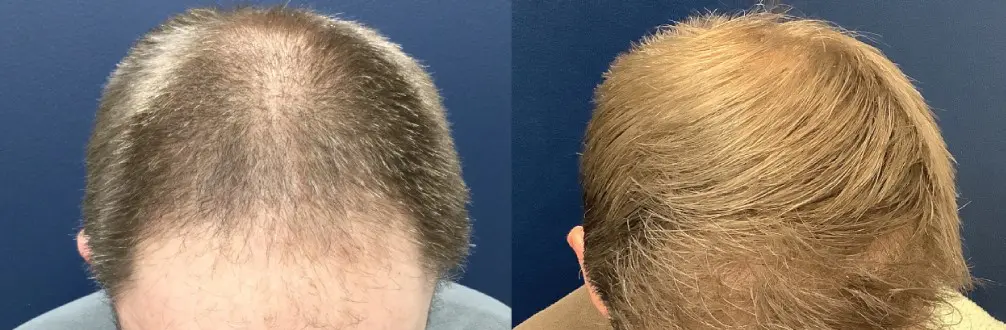
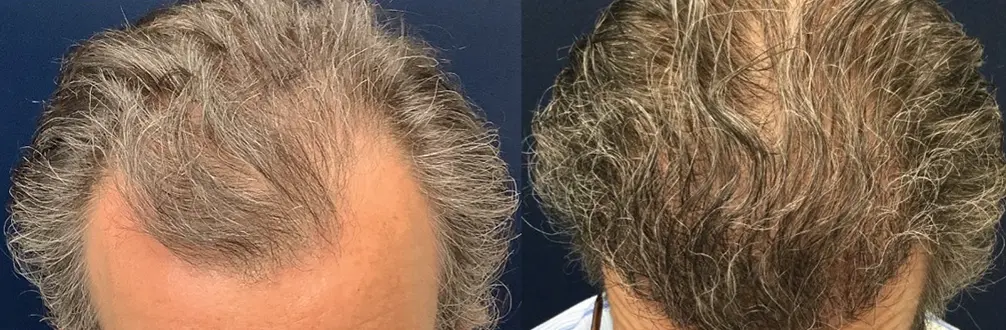
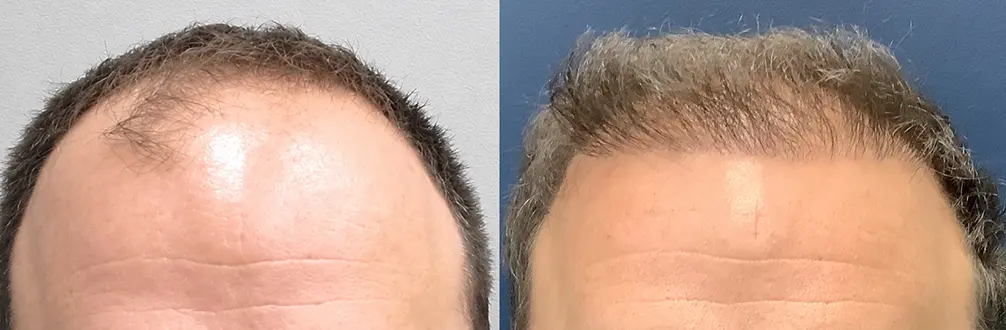
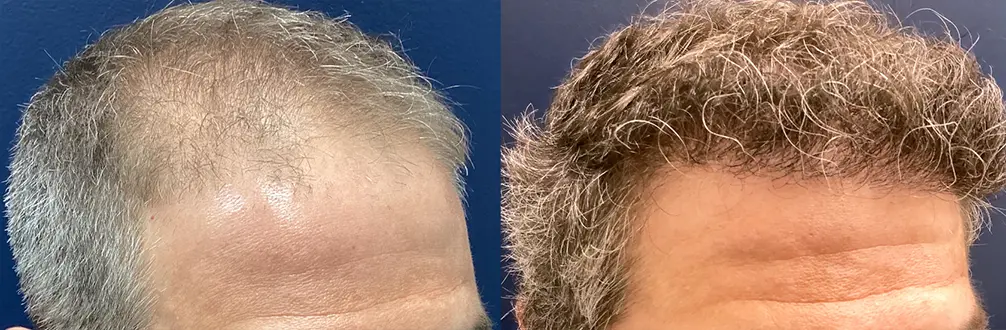
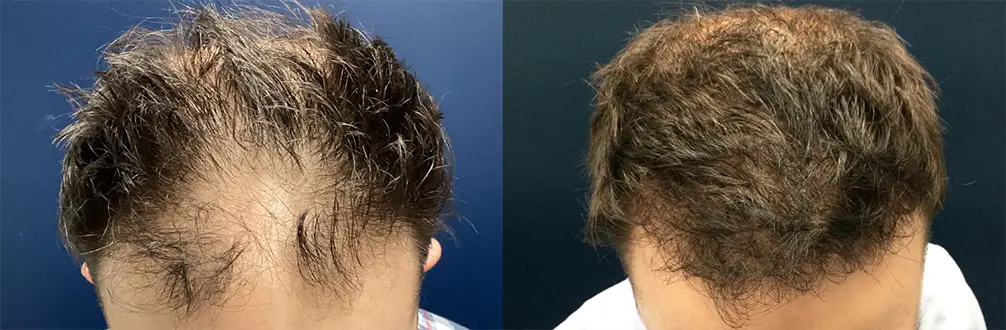
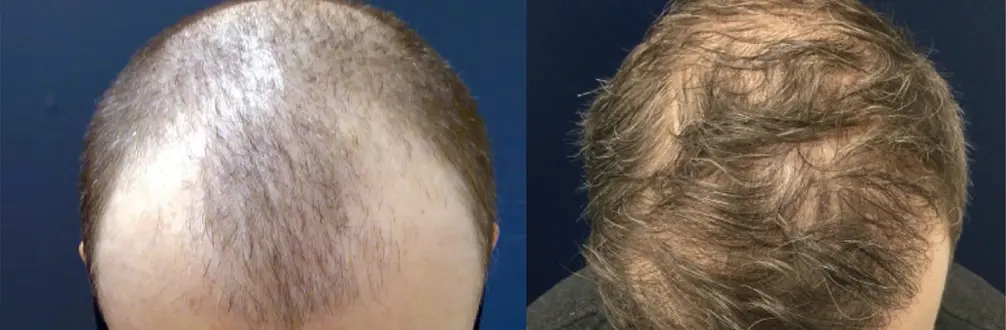
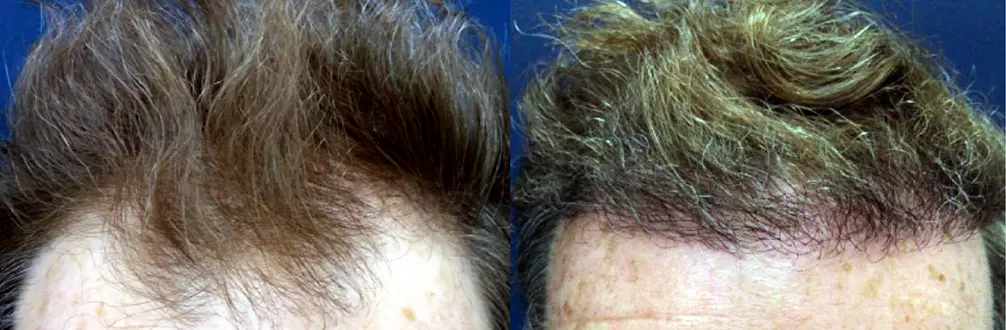
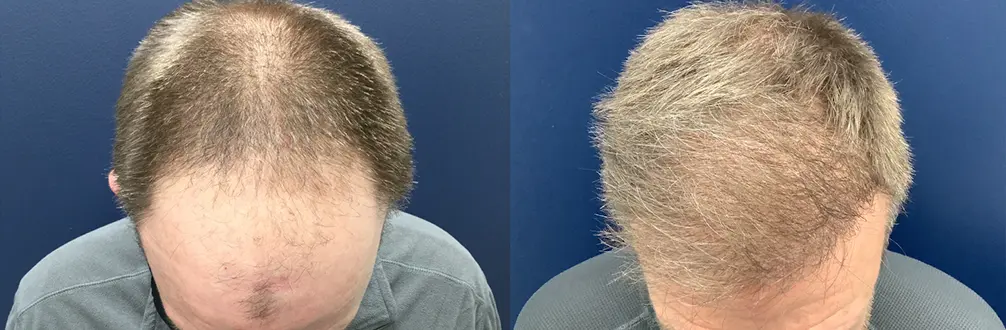
View our Hair Results
Welcoming Patients from South Jersey, Philadelphia, Pennsylvania and Beyond